
BRUSSELS — New diplomatic discussions are drawing attention across the Atlantic after reports emerged that some European officials have suggested exploring deeper cooperation between Canada and the European Union. While no formal proposal has been announced, the idea has already fueled debate about how transatlantic partnerships could evolve.
Canada already has strong trade links with Europe through CETA, the Comprehensive Economic and Trade Agreement, which eliminated most tariffs between the two markets. But officials are now reportedly discussing whether the relationship could expand beyond trade into areas like supply chains, energy security, technology standards, and defense cooperation.
“CETA was a beginning, not an end,” said one European diplomat familiar with the talks. “The question now is whether we want to deepen that relationship in response to a more unpredictable global environment. Many in Brussels believe the answer is yes.”
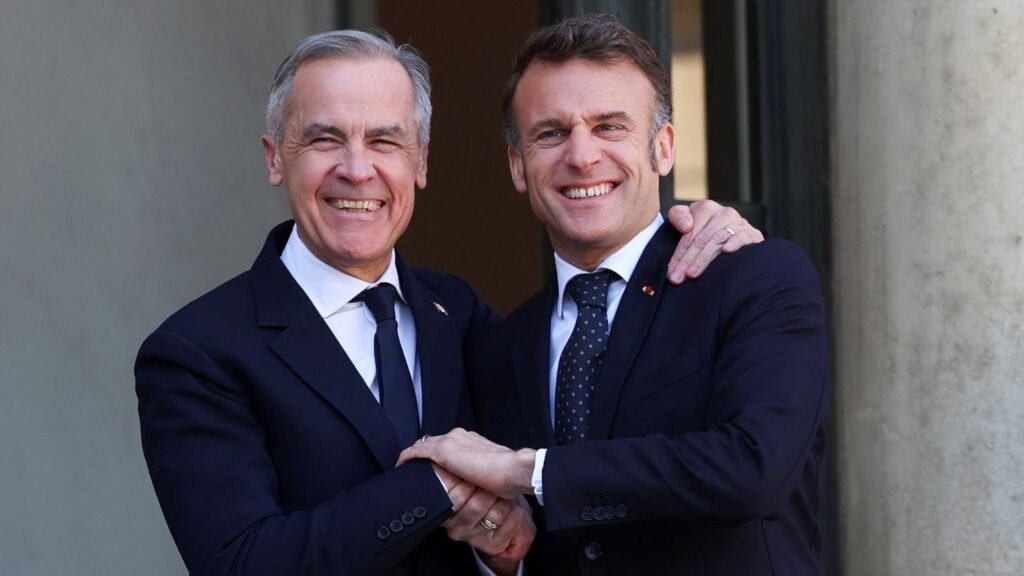
Discussions like these often happen quietly, away from public view. But even early speculation can attract significant attention because of the potential impact on global markets and alliances. The fact that the talks are being acknowledged — even indirectly — suggests a seriousness of intent.
The development is also being watched closely in Washington. Policymakers in the United States have traditionally seen Canada as a key partner in North American trade and security, anchored by USMCA and decades of defense cooperation under NORAD and NATO.
Stronger Canada–EU cooperation would not break those existing alliances. But it could give Ottawa more flexibility in negotiations with Washington on tariffs, energy exports, critical minerals, and industrial policy. For the United States, a Canada with closer European ties is not a rival — but it is a more independent partner.
“The United States has taken Canadian loyalty for granted,” said one trade analyst. “If Canada develops a meaningful second pillar of economic and security relationships in Europe, that changes the calculus. Not dramatically. But enough.”

Observers stress that full Canadian membership in the European Union is highly unlikely under current EU rules. Canada is not in Europe, and there is no appetite in Brussels or Ottawa for the kind of institutional integration that membership would require.
But the conversation itself shows a broader trend: countries are looking for more options, not fewer, as global politics becomes more unpredictable. The post-Cold War assumption that transatlantic unity would inevitably flow through Washington is being quietly questioned.
For Canada, deeper EU ties offer access to a market of 450 million affluent consumers, a hedge against any future disruption in U.S.-Canada trade, and a partner in setting global standards on technology, climate, and data governance.
For Europe, closer cooperation with Canada offers a reliable supplier of energy and critical minerals, a like-minded partner on democratic values, and a foothold in North American supply chains that does not run exclusively through the United States.
The timing is significant. With Donald Trump’s protectionist trade policies looming as a potential reality, many countries are quietly building relationships that could help them weather a more confrontational Washington.
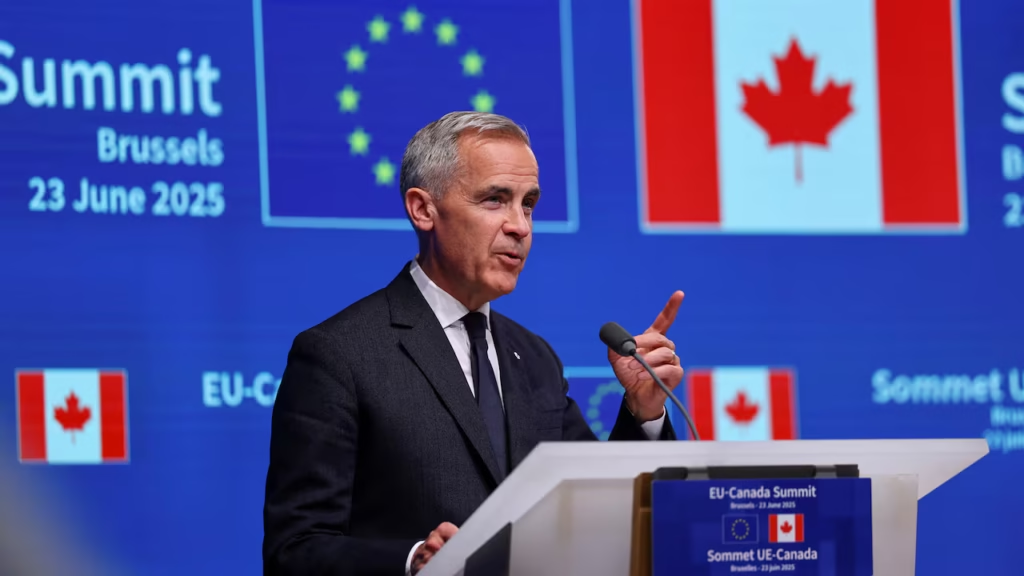
Prime Minister Mark Carney, a former central banker with deep connections in European financial and political circles, is seen as uniquely positioned to advance this agenda. His government has not commented publicly on the talks, but sources say he views closer EU ties as a strategic priority.
As the discussions continue, one thing is clear: the global trade map is being redrawn. Canada is not leaving North America. But it may be building a bridge to Europe strong enough to carry weight that once rested solely on the American connection.
Whether that bridge ever fully opens — and how Washington responds if it does — will shape transatlantic relations for decades to come.






Leave a Reply