
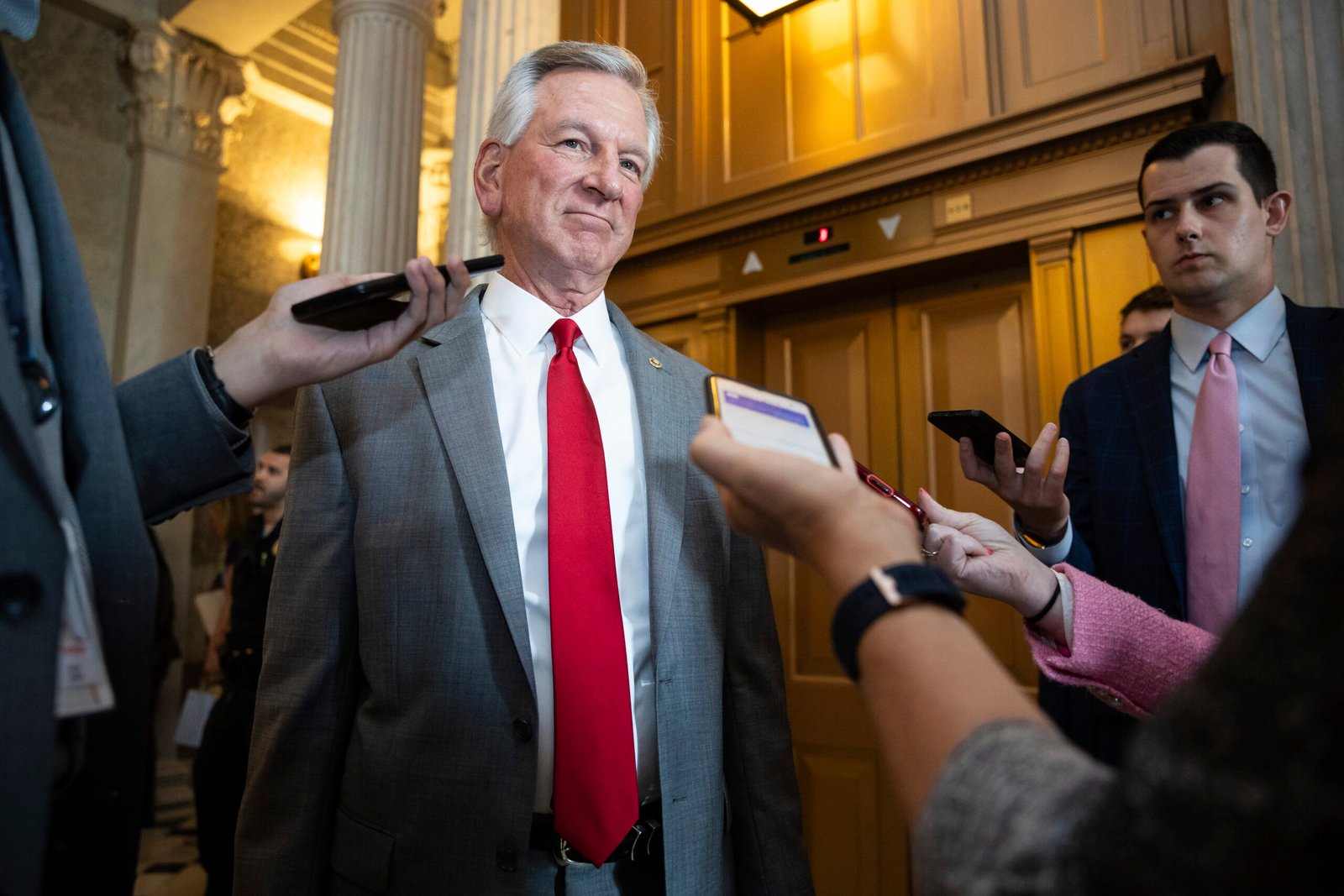
U.S. Senator Tommy Tuberville has faced growing criticism over a series of public statements that many observers and civil rights groups have described as hostile toward Muslims.
In one widely discussed instance, Tuberville posted a message on social media warning that “the enemy is inside the gates,” a phrase he used while referring to a Muslim political figure in the United States. The statement quickly drew backlash, with critics arguing that such language risks portraying Muslim Americans as a threat.
In other remarks, Tuberville has described what he calls “radical Islam” as a dangerous ideology, at one point referring to it as a “cult” and claiming that it promotes violence against non-believers. These comments have been strongly criticized by advocacy organizations and religious leaders, who say they blur the line between extremist groups and the broader Muslim population.
The Council on American-Islamic Relations (CAIR) has publicly condemned Tuberville’s rhetoric, labeling it as Islamophobic and urging political leaders to reject language that could incite fear or discrimination. The organization has also called on the senator to engage more directly with Muslim communities to better understand their perspectives.
Tuberville, however, has defended his statements by insisting that his criticism is directed solely at extremist elements and not at Islam as a religion or Muslims as a whole. He maintains that his comments are rooted in national security concerns rather than religious bias.
Despite these clarifications, critics argue that the tone and framing of his remarks can contribute to harmful generalizations. They warn that such rhetoric, especially when coming from high-ranking officials, may influence public perception and deepen social divisions.
The controversy surrounding Tuberville highlights a broader debate in the United States about the balance between addressing security threats and respecting religious diversity. It also raises questions about the responsibility of public figures to communicate carefully on sensitive issues.
As discussions continue, the issue remains a flashpoint in American political discourse, reflecting ongoing tensions over identity, security, and freedom of religion.





Leave a Reply